
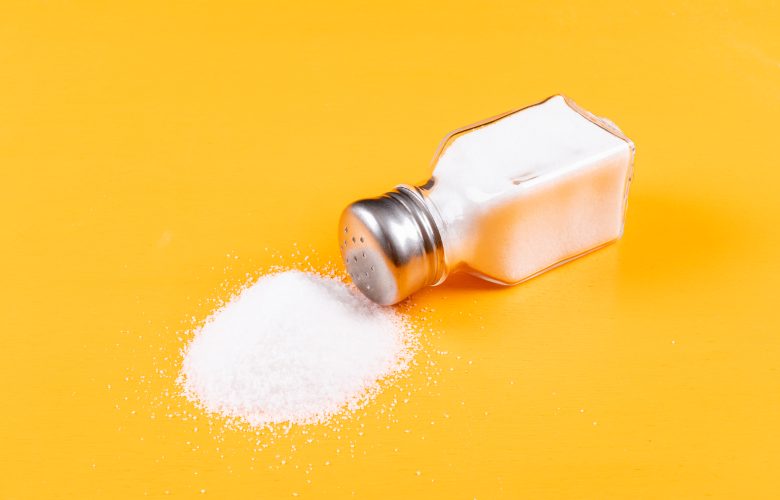
This might have happened to many of us: you must be preparing a delicious meal but forgot that you already put salt into it, and again add salt to it, or you might have poured a lot of salt into your food, ending up in making your food too salty. Whether it is a stew, side dish, meat, soup, or sauce, it has now become too salty. Now you will start searching Google for how can you make something less salty
Don’t worry. There are ways to fix this problem easily so that you can serve the meal. In this article, we are sharing some the tips to make your food less salty.
Table of Contents
How Can You Make Something Less Salty Without Ruining the Flavor of Your Dish
When your food has become too salty, use any of the following tips to reduce the saltiness in your food.
1. Add An Acidic Ingredient
Though adding acidic ingredients like lemon water, vinegar, or even tomatoes won’t take away the complete saltiness from your food, it will neutralize the saltiness in your food. Squeeze or add a dash of acidic ingredients, give it a good stir, and taste it before adding further salt.
But be sure to use the acidic element that goes well with your dish without altering its taste. Adding lime juice to carnitas will balance the salt, but don’t add balsamic vinegar. Similarly, adding white wine vinegar or rice vinegar will be good for many varieties of dishes.
2. Add A Sweetener
Adding a bit of sweetener will counteract the saltiness in sauce or stir-fry dishes. Adding a brown sugar or maple syrup will give a caramel touch to your food. Adding granulated sugar will give a more neutralized flavour.
3. Add Dairy Products
Did you know that adding dairy products like cream will reduce the salty flavor in your dish? Adding creamy dairy products such as thick cream, a dazzle of butter, etc, are good solution for a dish that needs to be simmered for a longer time. But, make sure to add sour cream or a blob of cheese at the end to prevent it from breaking.
4. Dilute Or Bulk It Up Your Dish
The saltiness in your food can be reduced by adding any salt-free liquid or just plain water to dilute it.
Or else, you can add more vegetables, pasta, or meat to a salty dish that not only reduces the saltiness but also increases the quantity of what you are preparing. Instead of masking the salt, it will minimize the sodium per portion of your dish.
5. The Potato Trick
Adding a potato, either raw, peeled, or diced, into a simmering dish will reduce the saltiness in your food as it absorbs the salt from your dish. This age-old trick has many advantages; it absorbs the salt because it is too starchy and has a minimal effect on the final salt level. This won’t have any side effects and will be useful if you have an extra potato. But you need to add extra water as potatoes will absorb the water from your food.
How To Avoid Adding Too Much Salt To Your Dish?
It is always better to add the desired amount of salt than to take it out. Keep the following tips in mind:
1. Season In Layers
Chefs in cooking schools are taught to season in stages to enhance the flavor at each level. For example, if you are sauteing onions for your soup or sauce, add a small amount of salt before proceeding to the next step.
2. Be Aware Of Hidden Salts
Select the products from the store that have lower sodium levels. Broth, beans, or tomato products contain more salt, so you may end up having less control over salt.
3. Taste As You Move Further
This is the best solution. Taste your food before moving further. If you follow these tips, you may not end up adding more salt and can control the taste of your food at each stage.
4. Pick A Salt And Stick To It
You can get a variety of salts in the market. But prefer using a single type of salt so that you will not be adding more salt to your dish.
Final Thoughts
Salt enhances the flavor of your food, but at the same time, it will damage the taste of your food. So while adding salt, be cautious. Don’t keep changing your salt because it may alter the proportion of salt in your food. Some salts combine well with your food within a few moments, but some salts take a bit longer to dissolve in your dishes. So be careful, just add the required amount of salt and enjoy your delicious food. If you are thinking about how can you make something less salty, then this article is just for you.
Frequently Asked Questions(F.A.Qs)
Q1. What is the quickest way to fix a dish that’s too salty?
Add water, broth, or more ingredients to dilute the salt quickly. It works best for soups, stews, or sauces.
Q2. Does adding a potato really absorb excess salt?
Yes, a raw peeled potato can soak up some salt. It’s a mild fix, mainly useful in liquid-based dishes.
Q3. Can sugar or sweeteners balance out salty food?
Yes, adding a small amount of sugar or syrup helps, if you’re wondering how can you make something less salty in sauces or stir-fries.
Q4. Will adding cream or butter make salty food taste better?
Dairy like cream or butter can tone down saltiness and add richness, especially in creamy or starchy dishes.
Q5. How can I prevent over-salting my food in the future?
Taste as you cook, season gradually, and use low-sodium ingredients to stay in control.