
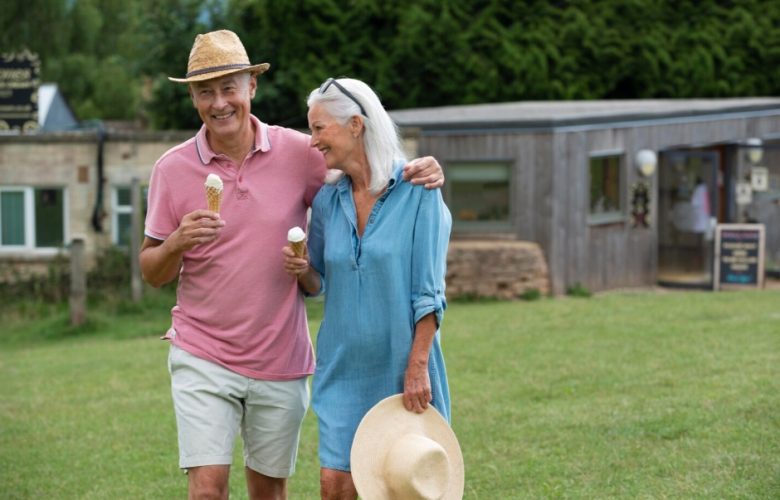
You can see that the concept of retirement is not rigid anymore. Retirees now tend to prefer older adulthood accompanied by a fresh set of life plans that emphasize dynamism and socializing. There are also increased chances of longevity and vitality, creating a demand for better planning of active routines. Moreover, with financial stability being a top priority owing to several market changes, more smart financial choices are in the pipeline. This article will elaborate on the major shifts that define the new-day retirement strategies and what you can do to be part of it.
Table of Contents
Longer Life Expectancy Shapes New Plans
Life expectancy is a number that has increased steadily over the years, offering you the chance to reconsider how long you need finances to outlive your efforts. The traditional plan of quitting work at age 65 appears to be outdated in this modern-day age, where a lot of people work until they are in their 70s and beyond. Statistically, it has also been shown that you end up spending up to 30 years without working. Such statistics must be noted. For health, old-age healthcare also needs to be part of your plan. Your retirement plan should be crafted to allow flexibility as the years pass, with wise inclinations towards a well-structured financial strategy.
The Rise of Active and Social Retirement
The existing statistics indicate that the elderly age groups are more concerned with community-based activities. According to recent surveys, approximately 70 percent of older people state that they would like to be engaged in the activities of the community, which is significantly higher than the level of previous years. In Escondido, senior communities are enthusiastically engaged with such options. In places that value fun senior living, like those in Escondido, activities boast not just social elements but also wellness-centered programs. Community-led and group activities provide chances for not just enjoyment but well-being and the evolution of friendships. As retiree networks proliferate, the heterogeneity in active lifestyle components in different regions comes out, making healthy living social and attainable.
New Financial Approaches for Retirees
The sources of income for older adults are evolving. Most people do not rely much on pensions anymore, but regular income counterparts like Social Security, savings, and part-time work are common. Older adults are also required to budget in a more advanced way now, considering the dangers of premature withdrawal of funds or poor decision-making. One of the newest trends is that a lot of people choose to work part-time in their retirement years to keep money flowing and stay engaged. Furthermore, smart financial advisors are also cultivating investment plans that safeguard funds and guarantee long-term growth. To retire today, you should be prepared to be creative with what you can do with your funds.
Housing Options That Fit Modern Needs
There is an increase in upscale retirement housing designs. Senior-friendly spaces are becoming popular with many elderly people as opposed to nursing homes. Most significantly, modern designs favor safety, with high-tech safety systems being integrated into old-age environments today. Comparatively, one can see that the new units are more comfortable than 40% of the market’s old designs. Also, more senior housing has been established because older people prefer the idea of living near a peer community. The modern housing trend indicates comfort and safety to meet not only biological requirements but also a social component of aging.
Health and Wellness Drive Long Term Stability
Modern seniors lead a more healthy and well-oriented life. In fact, fitness programs are now popularly adopted, with around 55 percent of seniors saying they are taking up to three or more exercise classes weekly. Older adults are also inclined toward better nutrition, hence making smarter food decisions such as balanced diets and natural food products. Moreover, huge data is available to indicate that most older adults who adopt preventive healthcare, such as frequent screening and yearly assessments, tend to live longer. Non-stressful programs often pair with fitness and nutrition habits. The underlying theme is how most older adults tend to have proactive health programs, thus creating a healthier lifestyle that can be sustained till old age.
Conclusion
The major trends that involve longer life expectancy and an active lifestyle are slowly redefining how retirement may be taken, with preference to the earlier views. The figures related to increased life expectancy allow the new retiree to plan more within the scope of realistic living. These times bid farewell to the conventional retirement but welcome a brand-new phase that is flexible and fulfilling in so many ways.